U.s. slams china with chip-smuggling law after super micro indictment
Washington just made it a federal crime to look the other way when an AI chip slips toward Beijing. The Chips Security Act, rammed through committee late Tuesday, orders the Commerce Department to hunt down every Nvidia A100, every AMD MI300, every high-end GPU that might reach a Chinese data center—no exceptions, no excuses.
The trigger was last week’s indictment of Charles Liang, co-founder of server giant Super Micro Computer, accused of rerouting thousands of banned Nvidia processors to black-listed Chinese buyers. Investigators traced the trail through shell companies in Singapore and phantom end-users in Chengdu. One email quoted in the filing reads: “Make sure the chips look ‘used’—customs loves used.”
Lawmakers want blood, not audits
Representative Brian Mast, who shepherded the bill, minced no words: “If a single GPU ends up training the PLA’s next hypersonic missile model, we will jail everyone who touched the invoice.” The statute forces chipmakers to prove negative custody: they must certify, under penalty of perjury, that every die they sell never reaches china, Russia, Iran or Venezuela. Miss the quarterly affidavit and the fines start at $1 million per wafer.
Nvidia, already conducting surprise midnight counts in Thai and Malaysian colos, declined to comment on record but circulated a private memo acknowledging “an existential compliance burden.” AMD insiders whisper the new rules could add 11 cents per share in quarterly verification costs—loose change until you multiply by 1.2 billion shares.
The kicker: President Trump, while publicly promising to “open the floodgates” on AI exports, quietly signed off on the crackdown. The contradiction is intentional. Administration officials say they want volume everywhere except where it feeds Chinese military clouds. Translation: sell all you want to Frankfurt, sell none to Shenzhen.
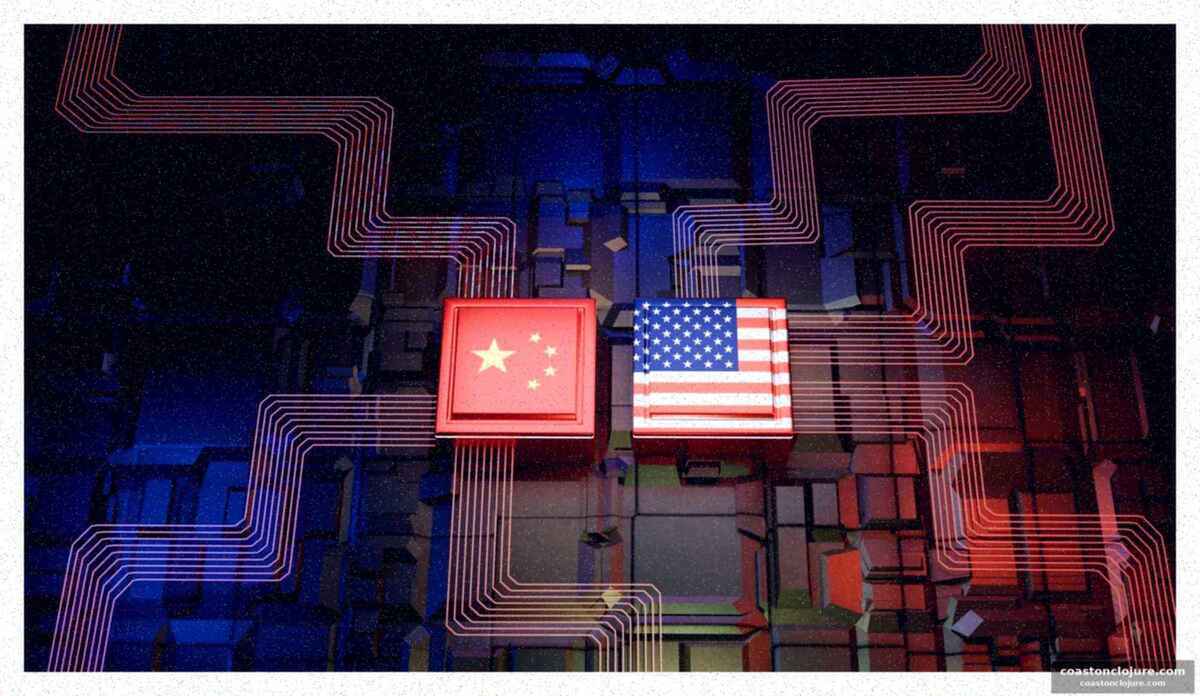
Industry scrambles to build a surveillance stack
Within 48 hours of the vote, three startups emerged from stealth promising blockchain-based die-tracking ledgers. Trade lawyers in D.C. are billing $1,200 an hour to teach procurement departments how to spell “re-export.” And TSMC has begun etching microscopic QR codes on interposers—think of it as a license plate for every transistor.
Commerce Secretary Howard Lutnick has 365 days to publish the final rule, but enforcement begins the moment the president’s ink dries. Companies that wait for guidance may already be too late; prosecutors are dusting off the International Emergency Economic Powers Act, the same sledgehammer used to kneecap Huawei.
Bottom line: the global semiconductor supply chain just became a parolee. Every pallet, every courier, every customs form will be sniffed for the faintest whiff of Beijing’s appetite. Smuggle one chip, the warning goes, and you buy yourself a decade in federal prison. The silicon cold war has its first real jailhouse, and it’s American.