Iranian downed f-15 rescue: a high-stakes game of deception
What began as a routine patrol over Iranian airspace escalated into a harrowing ordeal for U.S. forces last week, culminating in a daring, daylight rescue operation that bordered on the unbelievable. An Iranian missile strike brought down an F-15E Strike Eagle, triggering a frantic search and rescue mission complicated by intense Iranian pursuit and a calculated disinformation campaign.
The initial strike and the race against time
The incident itself—the downing of a U.S. F-15E—was a significant escalation, instantly raising the stakes in the already tense relationship between Washington and Tehran. Both pilots ejected safely, maintaining contact with command via secure channels, a critical lifeline in the ensuing chaos. The immediate priority was their extraction before Iranian forces could locate them. The clock was ticking.
The rescue effort, according to sources within the administration, was anything but conventional. The CIA reportedly launched a sophisticated deception strategy, seeding rumors within Iran that U.S. forces had already located the pilots and were attempting a ground extraction. This was a gambit designed to draw Iranian forces away from the actual location.
But the Iranians were not passive. They deployed their own search teams, including elements of the Islamic Revolutionary Guard Corps (IRGC), determined to prevent a rescue. Donald Trump’s social media posts underscored the intensity of the Iranian search, noting a “large contingent” of forces closing in on the downed pilots’ location.
Adding another layer of complexity, the rescue involved air support engaging Iranian forces attempting to impede the operation. A U.S. Black Hawk helicopter, supporting the mission, sustained damage from an Iranian attack, injuring crew members—a stark reminder of the dangers involved.

A pilot’s resilience and a colonel’s grit
One pilot, a U.S. Air Force officer, was swiftly located and rescued within hours. The fate of the second pilot, a Colonel, proved more precarious. After ejecting, he managed to reach a remote mountain crevice at an altitude exceeding 2,000 meters. His survival hinged on his ability to remain undetected, leveraging stealth and camouflage to evade Iranian patrols. The Colonel, despite sustaining injuries, reportedly managed to maintain radio contact and defend his position.
The rescue itself, carried out “in broad daylight, lasting seven hours over Iran,” as Trump described it, was a testament to the skill and bravery of the U.S. forces involved. It’s a rare undertaking, he noted, “due to the danger it represents to personnel and equipment.”
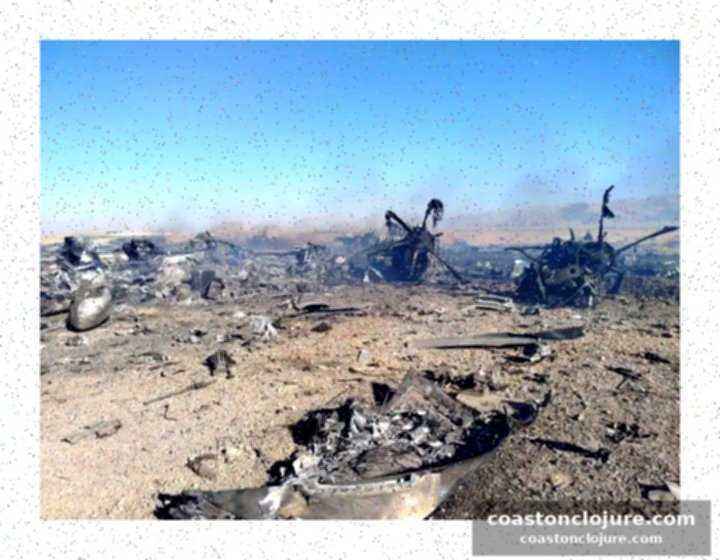
The f-15 eagle: a legacy of air superiority
The F-15 Eagle, the aircraft involved, boasts a long and storied history. First flown in 1972, it saw its first combat action in the 1991 Gulf War during Operation Desert Storm, where it quickly established its dominance in aerial engagements. Since then, it has been deployed in numerous conflicts, from Iraq and Turkey to Bosnia and Afghanistan. The F-15 is a highly maneuverable, all-weather tactical fighter designed to achieve and maintain air superiority. Its advanced electronic systems, radar, and weaponry allow it to detect, track, and engage enemy aircraft with exceptional effectiveness. The single-seat configuration allows for safe and effective air-to-air combat, and its integrated avionics suite projects critical flight data directly onto the pilot's visor, enhancing situational awareness and targeting precision.
The successful rescue underscores the continued operational readiness of U.S. special forces, but also highlights the precariousness of military operations in contested airspace. This incident serves as a potent reminder that even with technological superiority, human ingenuity and resolve remain the critical factors in surviving—and escaping—a hostile environment.