Ai at work: the illusion of insight
Companies are increasingly turning to artificial intelligence for workplace decisions – from mediating disputes to crafting meeting scripts. But this reliance on chatbots is fundamentally flawed, offering logically sound answers that lack the context needed for genuine resolution.
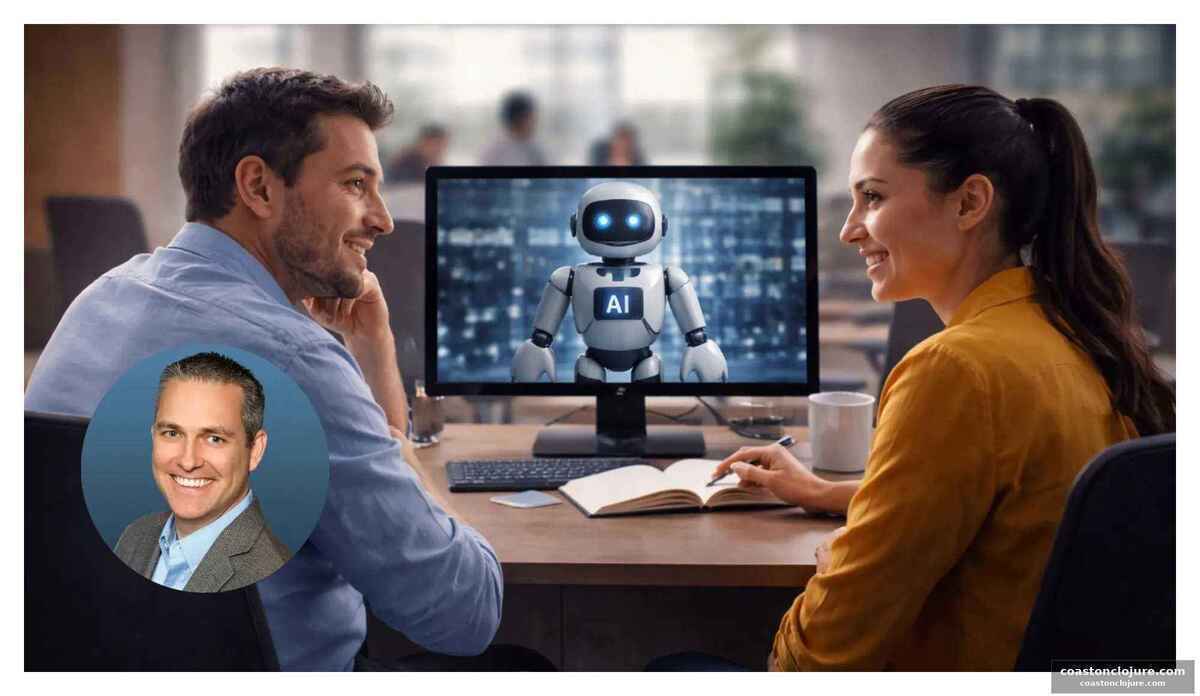
The problem isn’t the answers, it’s the absence of reality
The issue isn’t the quality of the output; AI can generate structured, coherent, and seemingly reasonable solutions. However, it’s operating without understanding the nuances of the situation – the unspoken dynamics, the historical baggage, the sheer messiness of human interaction. A perfectly crafted response from a machine can spectacularly fail when applied to a real-world scenario, or even exacerbate the problem.
Peter Stewart, a business psychologist, argues that the key isn’t algorithmic advice, but human connection. Talking to a colleague, tapping into shared experience, provides information an AI simply can’t replicate. It's about accessing the reality at the heart of the matter, not processing data.
Professionals are increasingly leveraging AI for everything from drafting emails to brainstorming ideas, seeking a quick structural framework. The danger lies in allowing this assistance to supplant direct dialogue. Decisions should be rooted in actual experience, not recommendations divorced from context. AI operates on patterns, not lived experience – it can identify common threads in workplace conflicts, but it can’t grasp the subtleties of individual cases.
Experts confirm: AI isn’t eliminating jobs – yet – but it is creating a new divide. This trend extends beyond the workplace, impacting decisions about emotional management and professional guidance. We’re delegating to tools that offer instant answers, but confusing their function. They’re useful as a starting point, not a substitute for the process of human interaction. AI can order ideas, but it can't solve problems that depend on genuine relationships.
The crucial difference isn’t avoidance, but understanding. Recognizing the limitations of these tools – their inability to perceive tension, interpret emotion, or anticipate reactions – is paramount. The growing trend is not to abandon these technologies, but to wield them with discernment. When the problem is fundamentally human, the solution often is too.